Event supplier contract closeout checklist
An event ends before every supplier file is ready to close. The first Google result for a contract closeout checklist separates completed work from administrative closure, but it addresses Canadian public procurement. This original event-specific worksheet connects service acceptance, kit and access return, finance review and remaining obligations without treating the final invoice as the whole story. It does not replace the agreement or local professional advice.
Boletolibre editorial team
Published
Download the supplier closeout record
Download the editable supplier closeout checklist (Markdown, English)
Use one copy for each supplier, event and agreement. Link the signed scope, approved changes, acceptance notes and invoice references in a controlled location. Mark each line complete, not applicable or open, and add the evidence, reviewer and date. An unassigned exception is not a closed item.
The leading procurement guide distinguishes physical performance from the subsequent administrative record. That distinction is useful for an event, although its Canadian public-sector finance controls are not general rules for private organizers.[1]
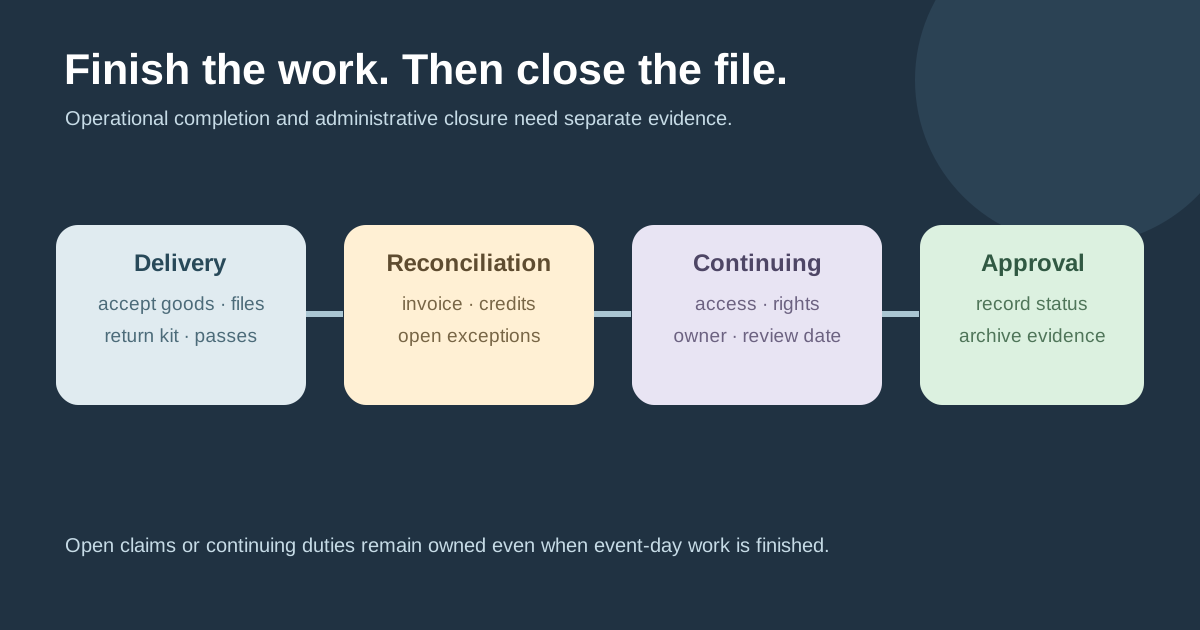
Confirm work, files and physical returns
Ask the event owner to confirm that the goods or services actually delivered match the agreed scope and changes. For catering this might be accepted service and equipment removal; for media it might be final files and licensed outputs; for production it might be load-out and case returns. Reference the supplier delivery tracker and venue handback record rather than recreating them here.
Account for borrowed equipment, radios, badges, keys, temporary passes and access to event systems. Do not remove access blindly while the supplier still has an approved handoff task. Record who authorizes the change, who performs it and the resulting status.
Reconcile money and open exceptions
Finance should compare the final invoice with the order, approved changes, deposits, credits and accepted delivery. Keep disputed amounts and their owner visible; this worksheet does not decide whether to withhold or release a payment. The separate invoice approval record holds the detailed financial evidence.
CanadaBuys lists delivery, acceptance, payment and unresolved deficiencies among public contract closeout checks. That is a useful sequence, not a private-event payment rule. Escalate contract claims, tax treatment and remedies to the actual agreement and qualified local reviewers instead of inventing a universal cutoff.[2]
Assign continuing duties before approving closure
Some obligations may survive the event or final payment: warranties, media usage, confidentiality, data handling, file retention or a scheduled correction. Record the exact source document, owner and next review date. Keep a supplier response or confirmation with any disputed item. The supplier performance review can inform a later sourcing choice but is separate from deciding whether this file is administratively closed.
Name an organizer approver and finance reviewer. Mark the file closed only when the operational and administrative checks have been completed under your own policy, or clearly leave it pending with an owner. Store the final record where the next organizer can find it without exposing sensitive invoices or attendee data. A signed closeout worksheet is not automatically a legal release of claims.[3]
Sources and further reading
- Contract Closeout Checklist: A Practical GuideNECI The Procurement School · Accessed
- Contract close-out activitiesCanadaBuys · Accessed
- Contract management principlesUK Cabinet Office · Accessed