Event staff no-show response: verify, cover and hand over the gap
A rota shows who was expected. It does not tell the next supervisor what to do when a person has not checked in and a public-facing post is about to open. Use this short response sequence to distinguish a late arrival from an absence, protect the tasks that cannot simply be left empty, and hand the decision to a named owner. Follow the venue plan and your staffing agreement; this worksheet does not set employment consequences or authorize an untrained substitute.
Boletolibre editorial team
Published
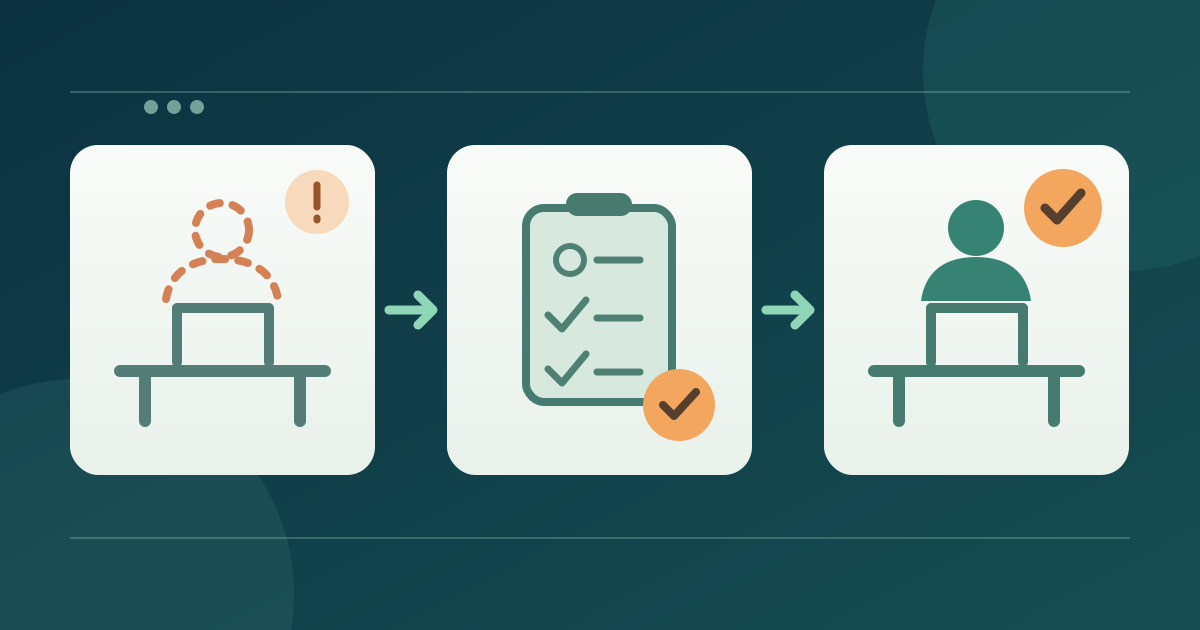
Open one absence-and-cover record
Download the staff no-show response and cover register (Markdown, English)
Copy the editable sheet for each event date. Enter the scheduled role and reporting point, the last confirmed status, the time the gap was noticed and the supervisor who owns the response. Keep health or personal explanations out of the shared operations copy. The purpose is to show what coverage exists now, who authorized a change and which question remains open, not to investigate a person in front of the whole team.
Check the arrival before declaring a no-show
Ask the assigned check-in lead whether the worker reached another entrance, was reassigned or checked in under a different name. Contact the worker through the agreed staff channel and ask for an arrival estimate or inability-to-attend confirmation. If an agency supplied the role, use its escalation contact too. Record the time and outcome of each attempt without speculation. Give the post lead a clear interim status: arriving with an estimate, unavailable, or not yet confirmed.
Do not wait for certainty before telling the person who controls that post that coverage is uncertain. A late worker can still be useful, but a promise that someone is “almost here” is not a replacement assignment. Review the event’s local escalation threshold and the actual time at which the post is needed; do not invent a universal grace period.
Protect role coverage before moving people
List the work that the missing person was meant to perform: for example, a welcome position, a stocked information point or a controlled admission task. Ask the venue or relevant lead which duties require specific training, authorization or a minimum team under the approved plan. The UK HSE describes competent staff, coordination and clear crowd-management responsibilities in its event guidance; local requirements and the venue’s specialists decide the actual cover. Do not move an unbriefed greeter into a restricted or specialist role merely because they are nearby.[1][2]
Choose the interim disposition for each task: maintain with a qualified cover, delay opening that service, combine only duties the supervisor approves, or escalate to the venue/event lead for a changed operating plan. State the owner and check time. If the public-facing service changes, update the person handling arrivals so attendees receive an accurate direction rather than being sent to an empty desk.
Approve and brief a real replacement
Check the approved standby list or staffing supplier for someone who is available for this location and shift. Match the person to the role requirements, not just the empty time slot. Confirm who can approve the substitution, any agreed shift or supplier terms, the reporting point and the person who will receive them. If nobody can cover the role, record that decision and let the appropriate lead adjust the service; the sheet should not quietly imply full staffing.
On arrival, have the replacement check in through the usual route and receive the current role brief: task boundaries, venue-approved route, equipment or credentials, live changes, break cover and escalation contact. The outgoing or temporary cover person confirms the handoff and returns any item transferred. Record the actual start and recipient. An updated rota helps later, but the live post needs an acknowledged handoff now.
Close the operating gap and keep the personnel issue separate
At each agreed review point, mark the post covered, service changed, or still unresolved. Capture the decision owner, effective time, attendee-facing change if any, and next check. Tell only the teams that need the update; do not broadcast a worker’s personal circumstances on the event radio. If a late worker arrives after a substitute has started, have the supervisor decide the new assignment and communicate it to both people before either moves.
At shift end, reconcile actual people and posts with the rota and record who received any unresolved coverage. Send payroll, agency, volunteer or personnel follow-up to the authorized private process rather than using the shared sheet to decide discipline or payment. Review whether the next shift needs a changed arrival confirmation, standby contact or role brief. Preserve the original absence record and append the resolution so a later supervisor can follow the sequence.
Sources and further reading
- Managing an eventUK Health and Safety Executive · Accessed
- Set clear crowd-management roles and responsibilitiesUK Health and Safety Executive · Accessed