Event photographer and videographer brief template
A photographer and a videographer can attend the same event and still leave with different assumptions about what matters. The leading Google result is a checklist for briefing both services; its useful point is to spell out the event, desired outputs and priority moments before asking for a quote. This original template goes further with a room-and-time coverage map and separate acceptance paths for stills and video. It is a working brief, not a promise that every moment will be captured.
Boletolibre editorial team
Published
Download and complete the supplier brief
Download the editable photo and video supplier brief (Markdown, English)
Start with the event date, time zone, venue, room map, expected programme, organizer contact and purpose of the finished media. Give each supplier the same current run of show, then mark only the moments that are truly essential. A keynote opening, sponsor reveal and quiet attendee interview cannot all be assumed to happen in one camera position.
The worksheet separates photography, video and audio decisions. Put a named organizer beside every priority and change approval. Send the final brief to the suppliers for a feasibility check before treating their quote or crew plan as agreed.
Map moments, rooms and boundaries
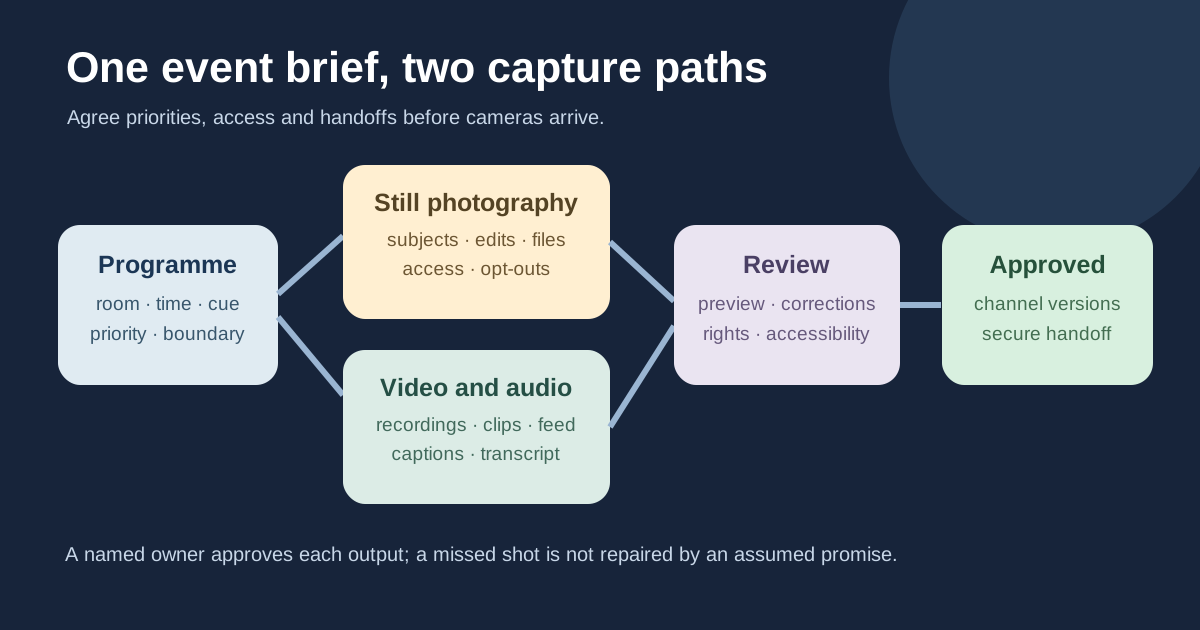
List each requested moment by local time and room, with the subject, output, priority and cue owner. Distinguish a must-have image from useful background coverage. Tell suppliers about stage access, lighting constraints, loading routes and any rehearsal that changes camera placement. If simultaneous sessions need coverage, ask how the supplier would staff them rather than assuming one person can be everywhere.
Identify no-recording areas, private meetings, attendee opt-outs, minors and speaker restrictions that apply to this event. Decide with the venue and qualified local advisers how notices, permissions and exceptions will work; a generic supplier brief cannot grant rights to film or publish people. Give crew a clear contact for a consent or access dispute on the day.
Define still photography and video separately
For stills, agree coverage hours, priority subjects, selection volume or method, edits, orientation, resolution, file format and whether original files are included. For video, specify whether you need a full talk, a short highlight, vertical cuts, a speaker clip or raw footage. Each is a different editing and review job. The leading supplier checklist also separates event basics from deliverables; use the actual quote to settle what is included.
Ask where video audio comes from: the venue mixer, a dedicated microphone, camera audio or a remote speaker feed. Identify the AV contact, permitted connection, test window and backup if the feed is unavailable. The event AV brief covers the production system; this brief records what the media supplier must receive and hand back from it. Record equipment, power, placement, breaks and overtime assumptions in the quote.[1]
Plan accessible publication outputs before filming
For each video version, name who will create and review captions, whether a transcript or other description is needed, and where the final media will appear. W3C recommends planning these outputs early; prerecorded synchronized audio generally needs captions under WCAG 1.2.2, subject to its media-alternative exception. A text transcript is useful but does not automatically replace synchronized captions in the player.
Check captions against the final edit, including speaker changes and meaningful non-speech sounds. Test them in the actual publishing player, not just in an editing tool. For still images, gather context that lets the publisher write useful alternative text when the image conveys information. Agree who has the last review before posting.[2][3]
Agree review, delivery and use
Set preview, consolidated feedback and final delivery milestones separately for photos, edited video, captions and transcripts. Specify file names, formats, aspect ratios, transfer method, access owner and archive decision. Put an organizer in charge of collecting one round of feedback so conflicting comments do not send the editor in circles.
List intended website, email, press and social channels, territories, duration, supplier portfolio use, credits, music and third-party assets as questions to settle in the agreement. Do not assume payment grants unlimited rights or that a release covers every attendee. Confirm any local privacy or licensing terms with the parties who can review them. At handoff, record accepted files, outstanding corrections and the person who can approve publication.
Sources and further reading
- How to Brief Your Event Photographer and Videographer (Complete Checklist)Corporate Photo & Video · Accessed
- Planning Audio and Video MediaW3C Web Accessibility Initiative · Accessed
- Understanding SC 1.2.2: Captions (Prerecorded)W3C · Accessed