Conference interpretation receiver issue-and-return checklist
An interpretation feed is only one part of the attendee experience. People also need the right receiver, an understandable channel instruction and a place to return the unit. Use this desk checklist when a conference supplies physical receivers or headsets. The interpretation and AV teams own the technical system; the desk owns a clear issue, swap and return record. Confirm the equipment and venue process before using the sheet.
Boletolibre editorial team
Published
Copy one desk sheet for the session
Download the editable receiver issue-and-return sheet (Markdown, English)
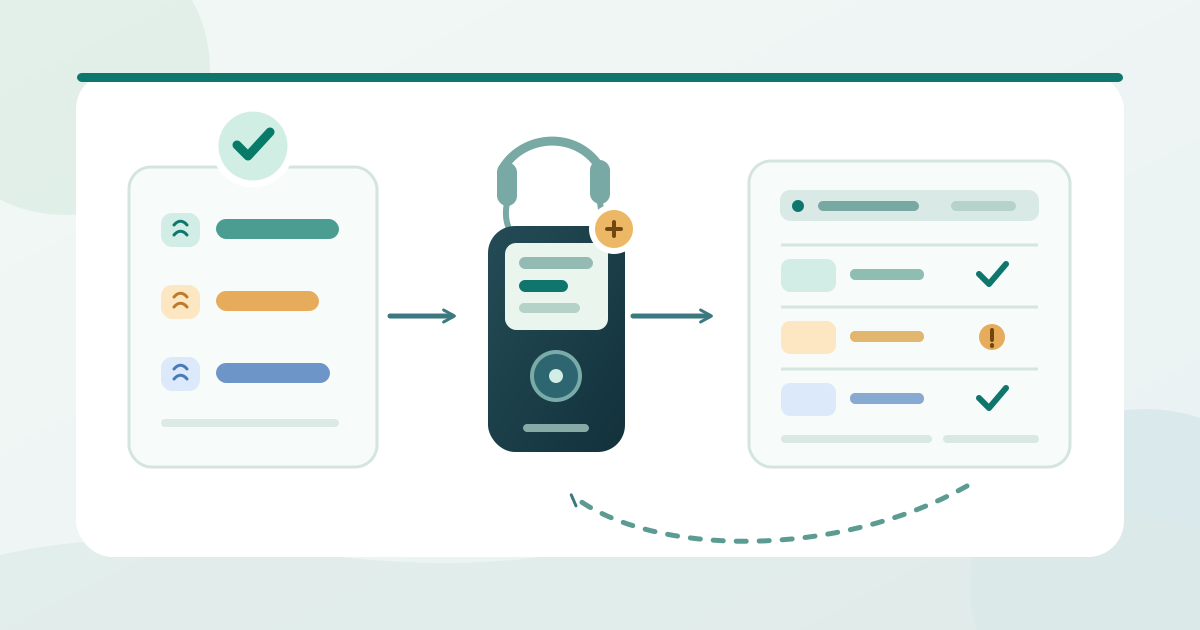
The worksheet records the room and session, technician-approved language-to-channel card, physical receiver IDs, issue and return movements, faults and final custodian. Copy it for each desk or session, then link it to the supplier’s equipment record. It is not a substitute for the interpretation service brief or the back-of-house inventory register.
Confirm where attendees receive devices and where they will return them. If different sessions use different rooms or channel plans, give each desk the current version. The European Parliament describes participants listening to simultaneous interpretation through headsets and conference technicians managing the equipment; the event’s own supplier agreement decides who operates your desk.[1]
Validate the language map and ready units
Ask the technician to test the actual programme and identify which language is on each available channel. Record the tested mapping, room, plan revision and confirmation time before printing or displaying a channel card. The European Commission’s portable-equipment specification distinguishes receivers from headphones and calls for technical operation of its system; do not infer a channel plan from the device label alone.[2]
- Count and identify available receivers, headsets and supplier-approved spares.
- Use the actual model’s charging, status and operating instructions for the readiness check.
- Place untested or faulty units apart from the ready pool and record their IDs.
For example, the Bosch INTEGRUS manual describes a selectable channel, volume control and low-battery indicator on that model. Other equipment can differ. Have the technician demonstrate the controls and a live listening test to desk staff, including who handles a failed feed.[3]
Issue a known unit with one clear instruction
At handout, record the receiver ID, time, desk attendant and current location or status. Give the attendee the technician-validated channel card and show the channel and volume controls on the device being issued. A quick demonstration is more useful than pointing at an outdated language list. Keep the attendee interaction separate from any admission or badge-check process unless the operator has expressly linked them.
| Desk moment | Record on the sheet | Confirm with |
|---|---|---|
| Open | Unit IDs, ready pool, language card revision | Technician and desk lead |
| Issue | Receiver ID, time and status | Attendee and attendant |
| Swap | Old and replacement IDs, fault, owner | Technician or designated operator |
| Close | Returned, still issued, fault-held and unresolved IDs | Receiving custodian |
Keep swaps and faults visible
If a guest reports silence, the wrong language or a weak battery, record the unit ID and symptom. The technician checks the feed and determines whether to change the unit, channel instruction or service plan. If a replacement is issued, link the old and new IDs in the log; otherwise the desk can count one person as holding two devices.
Mark the removed unit as fault-held, returned-to-supplier or ready only after the responsible operator checks it. Follow the venue or supplier’s device-specific cleaning and accessory replacement procedure before reissue; the sheet records the procedure reference and outcome, not a health guarantee. Tell affected attendees the confirmed alternative when a channel is unavailable.
Reconcile returns and hand off open IDs
At a shift change and after the session, count units physically available, still issued, held for faults and otherwise unresolved. Compare those ID lists with the supplier’s starting pool and any transfers. Investigate a difference while the desk and technician can still trace it; a total without individual IDs is not a usable handoff.
Record each unreturned or damaged receiver ID, last known status, named custodian, last known location and next action. Have the venue or equipment provider accept the open-item record under its agreed process, with a time and receiving name. Do not invent a deposit, identity-check, loss fee or retention rule. Close the desk only after the remaining custody and attendee message routes are clear.
Sources and further reading
- Interpreting in the European ParliamentEuropean Parliament · Accessed
- Portable Interpreting Equipment Technical SpecificationsEuropean Commission, Directorate-General for Interpretation · Accessed
- INTEGRUS Wireless Language Distribution System User ManualBosch Security Systems · Accessed