Event crew meal and rest plan: a shift-based template
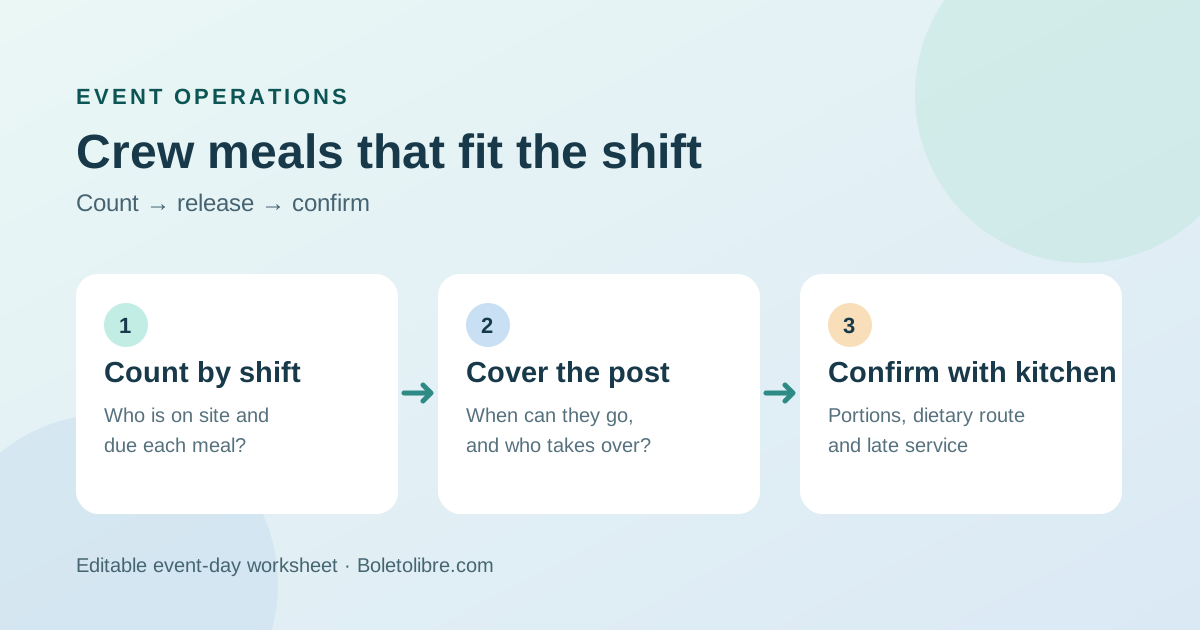
Crew meals fail when a single headcount hides who is actually on site, who can leave a post and who needs a particular meal. Build the food and rest plan from the confirmed shift rota, then give the kitchen a count it can act on. The editable worksheet below separates meal demand, service logistics and cover for each zone.
Boletolibre editorial team
Published
Download the crew meal and rest worksheet
Download the crew meal and rest worksheet (Markdown, English)
Copy one worksheet per event day. Record the event time zone, service points and named owners first. Its meal-count table has one row per service window and team, while the cover table has one row per position that cannot be left unattended. Keep individual dietary details in a restricted list; the kitchen summary should show only the information it needs to prepare and hand over meals.
The worksheet is a planning and handoff aid. It does not calculate statutory rest periods, certify food safety or replace the employer’s and venue’s local requirements.
Count the people who will eat at each service
Start with the latest confirmed rota and include setup, show and breakdown shifts. For each meal window, count people eligible for that service who are present and expected to eat. Mark volunteers, contractor crews, performers and suppliers separately if their meal terms differ. Do not simply add the entire accreditation list: someone who leaves before lunch or has no meal entitlement should not silently become a kitchen portion.
Record the count cutoff, who approves changes, known special meals, unanswered food-needs requests and any agreed reserve. A person changing shift or location may change the correct service window without changing the daily total. Ask team leads to confirm late additions and cancellations before sending the final count.
Fit meal windows around real shifts and cover
Place each service window against doors, show cues, changeovers and strike. Name the supervisor who releases each person, the colleague or approved cover who takes the post, and the point where the person returns. Keep a separate route for a late meal when a role cannot leave during the main service. Do not promise that a meal can be collected during a live cue without a workable handoff.
Show the meal pickup point and walking time from each zone. If a service point closes before a shift ends, agree a named fallback with the caterer. Check local employment terms and competent advice for required breaks; no single duration or meal entitlement applies to every event or worker.
Agree dietary handling and a usable rest space
Ask crew to share food needs through an appropriate private channel. Pass the minimum necessary information to the caterer, confirm what can actually be supplied and define how a person identifies the correct meal at collection. If an allergy request or ingredient change is unresolved, route it back to the food operator rather than labelling a meal safe yourself. The UK Food Standards Agency explains that food businesses are responsible for allergen information; local rules govern your venue.[1]
A meal window is not useful if there is nowhere suitable to eat or drink. Check access to drinking water, washing and toilets, and a clean place to rest and eat. The UK Health and Safety Executive lists these as event-worker welfare facilities. Check the actual site, opening hours, accessibility and wayfinding with the venue instead of assuming a backstage room is available.[2]
Close the loop with the kitchen and supervisors
Send a versioned count and service schedule to the kitchen lead, venue and department supervisors. Get acknowledgement of each window, dietary procedure, pickup location, late-shift fallback and last change deadline. On event day, log a change with the affected team, revised count, authorizer and kitchen confirmation before telling someone a meal is ready.
After each service, compare prepared, collected and remaining portions by category without turning the count sheet into an attendance or payroll record. Note shortages, substitutions and missed breaks for follow-up with the responsible managers. This makes the next service actionable and gives the caterer a clear closeout rather than an unexplained variance.
Sources and further reading
- Allergen guidance for food businessesUK Food Standards Agency · Accessed
- Employee welfare at eventsUK Health and Safety Executive · Accessed