Event furniture hire requirements checklist and worksheet
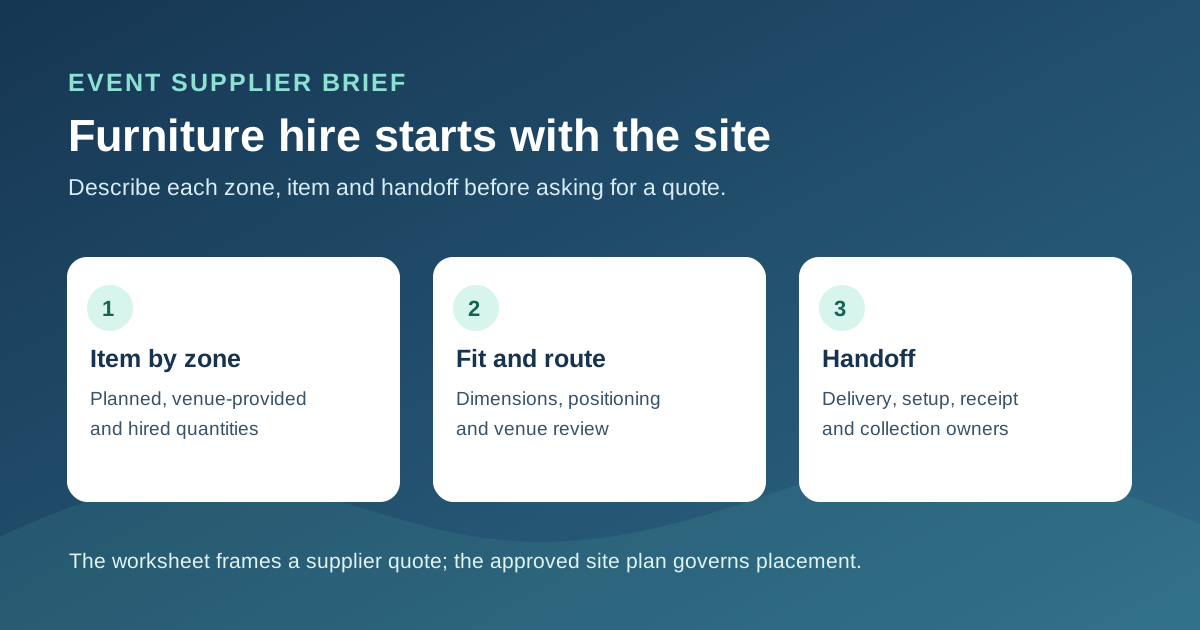
A chair count alone is not a furniture brief. A supplier also needs to know where each item goes, which items the venue already provides, whether the proposed furniture fits the approved layout, and who handles delivery, setup and collection. This original worksheet turns those decisions into a quote-ready item and zone list. It is for defining requirements, not approving a site layout or certifying occupancy.
Boletolibre editorial team
Published
Download the furniture requirements worksheet
Download the event furniture hire requirements worksheet (Markdown, English)
Copy the editable Markdown worksheet for the event and replace its example row. The first table records each zone, item, intended use, specification, planned quantity, confirmed venue stock and quantity to hire. A second table captures the supplier and venue handoff, plus unresolved questions. Keep a version and a named organizer owner so the quote and later order refer to the same requirements.
Build quantities from the actual event zones
Start with the event site plan and the activities in each zone: registration, audience seating, stage support, hospitality, staff work areas or any other real space. Add separate rows when the same chair or table has a different size, finish or use. Confirm venue-provided quantities with the venue before subtracting them from the planned count. Use the event’s approved attendance and programme assumptions to decide whether any spare furniture is needed; there is no universal extra quantity.[1]
Check dimensions and routes with the venue
Ask the venue and supplier for actual dimensions, footprint, access route and positioning constraints before approving an item. The UK HSE says a final site plan should show structures, facilities, entrances and exits and support contractors during construction. The furniture worksheet should reference that plan, not substitute for it. Have the appropriate venue and local competent reviewers decide safe capacity, circulation, accessibility and any installation requirements. This article gives no universal spacing or anchoring rule.[2]
Write down the supplier handoff
Specify the allowed unloading point, delivery and collection windows, who brings items inside, who positions them and who restores the space afterward. Name the person who receives and records quantities and condition. For outdoor use, ask what happens if the proposed items cannot be used in the actual weather or site conditions. Keep timing in the separate load-in schedule and actual arrivals in the supplier delivery tracker; this brief records what the supplier is being asked to provide.
Compare the quote with the approved brief
Compare each quote against the same versioned item list: exact sizes or acceptable alternatives, quantities by zone, included setup and collection, substitutions, exclusions and open questions. Ask for changes in writing and identify who approves them before dispatch. Once the supplier, venue and organizer have agreed on the list, hand that version to the layout owner, load-in lead and receiving person. At collection, use the delivery or inventory records to close discrepancies rather than treating the initial requirements sheet as proof of fulfillment.
Sources and further reading
- The 2025 table and chair hire checklist every event manager needsEasy Event Hire UK · Accessed
- Venue and site designUK Health and Safety Executive · Accessed