Event quiet space and welfare handoff checklist
A quiet room is an accommodation, not an improvised clinic or childcare service. Use the editable worksheet to confirm the room, route, published promise, host and referral contacts with the venue and relevant local specialists.
Boletolibre editorial team
Published
Choose and check the real space
Download the editable quiet-space and welfare handoff worksheet (Markdown, English)
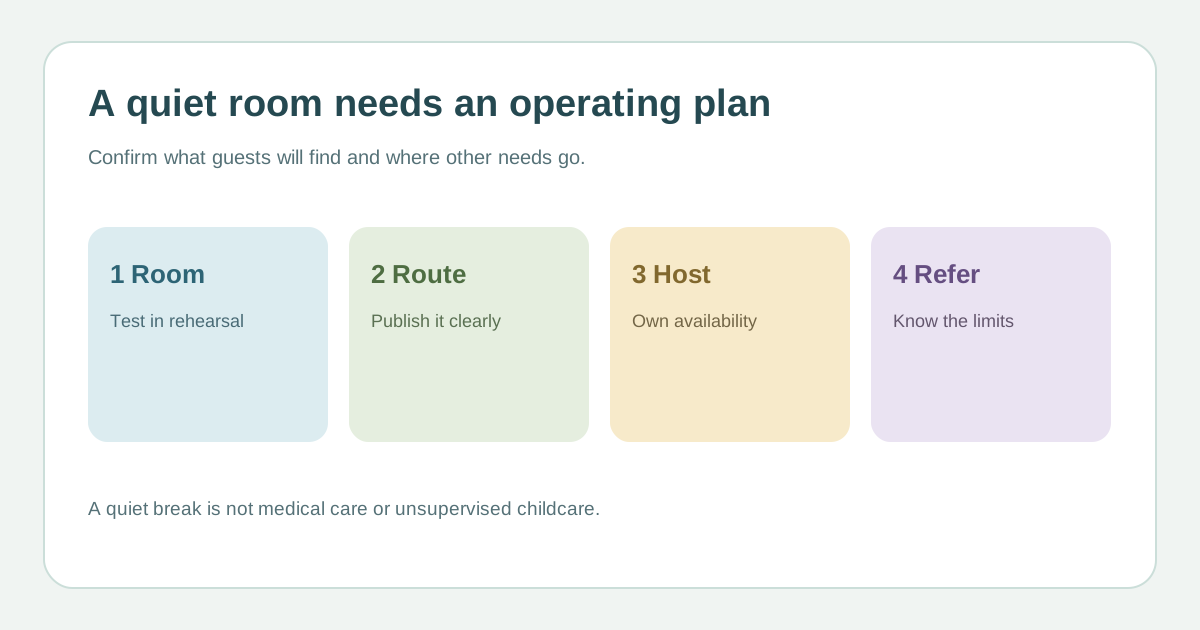
Visit while the event is operating or rehearsing. Note sound, lighting, ventilation, seating, circulation, an accessible route and nearby facilities. State whether this is a separate quiet room or merely a quieter area. Avoid claiming a universal sensory standard: guests have different preferences.[1][2]
Publish the exact guest promise
Use the same room name, location, opening hours and route on the website, map, signs and staff briefing. Explain whether companions may enter, whom to ask for help and any actual limitations. A quiet space does not replace accessible routes, first aid or other attendee support.[1][2]
Set the host and referral boundary
Name who keeps the room open, checks conditions and resolves changes. Clarify whether children remain with a parent or carer; if the organizer offers supervision, get the appropriate safeguarding plan and trained staff approved. Give hosts a private, direct route to the event’s first-aid, safeguarding and accessibility leads without asking them to diagnose or provide untrained care.[2]
Walk through a guest request before doors
Have a staff member find the room from the entrance, explain it accurately and rehearse what to do if it is unavailable or a guest asks for help outside its scope. Log the issue, owner and next update. Review it when programme, signage, staffing or room use changes. Keep worker welfare facilities separate from this attendee offer.[1][2][3]
Sources and further reading
- Accessible environmentsNational Autistic Society · Accessed
- Set up a sensory room at an eventNSPCC Child Protection in Sport Unit · Accessed
- Employee welfare at eventsUK Health and Safety Executive · Accessed