Event staff evacuation briefing checklist: turn the approved plan into assignments
An evacuation plan is only useful to an event team when each person knows what to do in their own area. The leading focused Google result, WVU Tech Police's special-event guide, assigns staff to defined sections and routes and says to report assistance needs that exceed their capability. Use this checklist and original worksheet to brief a real event team from the venue's approved, site-specific plan. Neither the article nor its blank worksheet designs a route or approves a plan.
Boletolibre editorial team
Published
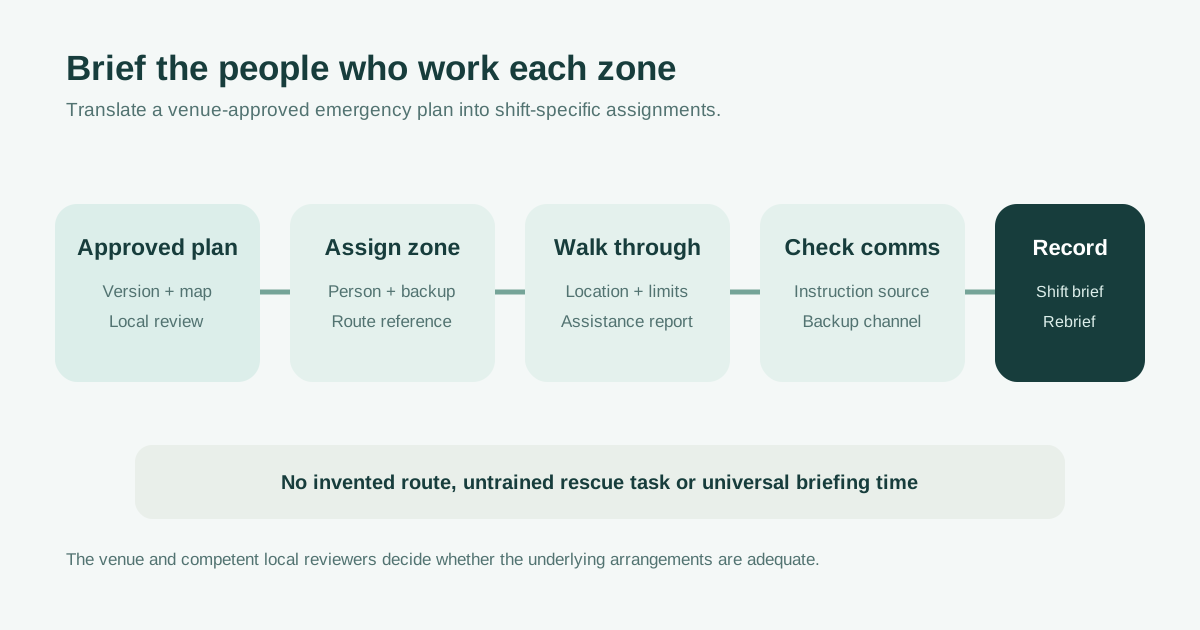
Bring the current approved plan into the briefing
Ask the venue's emergency lead for the current plan version, site map, alarm and instruction process, primary and alternate routes, assembly or shelter arrangements and arrangements for people who may need assistance. Identify who has authority to order an evacuation and who calls emergency services. Confirm that these details fit this event's temporary stages, barriers, vendors, capacity and weather conditions. If anything conflicts, stop and resolve it with the competent venue or local authority lead before briefing staff. Institutional guidance from WVU Tech, Yale and the UK HSE all treats event-specific roles, routes and communication as planning inputs; local requirements govern the actual event.[1][2][3]
- Write the approved plan owner, version and map reference on the brief.
- Mark unresolved routes or responsibilities as open issues, not assumptions.
- Check event-specific changes with the competent local lead.
Assign one position, route and reporting line to each shift
For every public-facing zone, name the staff member, shift, assigned position, supervisor and backup. Give them the applicable route references from the approved map, where their task ends, and where to report after moving. Include front gate, accessible entrances, toilets, quiet spaces, backstage, vendors and temporary structures where relevant. Staff should be able to point to their own position and routes on the current map. Do not copy example arrows from another venue into a live plan. WVU Tech's special-event annex uses section assignments so responsibilities are specific rather than a vague instruction to 'help evacuate'.[1]
- Zone and named person for each operating shift.
- Approved primary and alternate route references, if the plan provides them.
- Supervisor, substitute and accountability point.
Explain assistance tasks within training and authority
Brief staff on how someone can request assistance, the accessible route or refuge procedure documented in the approved plan, and who receives an unmet need. Do not assume a person's disability determines the help they want. Give only tasks that staff are trained, equipped and authorized to perform; do not assign untrained rescue or require a worker to enter danger. Record how staff report a person they cannot assist to the emergency coordinator or responders, with location and relevant access information. WVU Tech's guide explicitly limits self-risk and directs staff to report help beyond their capability.[1]
- Ask what assistance is wanted and follow the approved procedure.
- Know the escalation contact and usable location description.
- Keep untrained staff out of rescue roles.
Walk through the instruction and communication chain
Show who issues the evacuation instruction, which channel reaches each zone, and the backup if that channel fails. Agree the brief message staff should repeat to attendees, using the venue's approved wording and routes. Include who contacts emergency services, who manages entry/exit gates and who records staff accountability. A short walk-through or scenario lets people demonstrate they understand without testing a live alarm or creating public confusion. Yale's guide specifically calls for briefing managers, staff, volunteers and ushers on exits, assistance, evacuation or shelter, weather and communications.[2]
- Instruction source and primary/backup channels.
- Approved attendee message and route map.
- How to report a blocked route, missing person or unmet assistance need.
Record the brief and rebrief after changes
Use the worksheet below as a shift roster, not as an emergency plan. For each assignment, record who briefed the person, when, what plan version they saw, and any question still open. Have staff locate their zone and explain their reporting line and assistance boundary. Rebrief replacements and affected zones whenever layout, staffing, gates, routes or the approved plan changes. Keep a copy with the operational lead and give responders the information through the established incident channel. The venue and competent local reviewers, not this template, decide whether the arrangements are adequate.
Download the original staff evacuation briefing worksheet CSV
Sources and further reading
- Annex E: Special Event Emergency Planning GuideWVU Tech Police · Accessed
- Special Event Emergency Planning GuideYale Emergency Management · Accessed
- Planning for incidents and emergenciesUK Health and Safety Executive · Accessed