Final-week event ticket promotion checklist: sell with accurate information
The final week is a short campaign with changing facts, not a license to post louder. A venue detail, ticket allocation or online sales cutoff can change while old ads and partner posts keep circulating. This guide helps an organizer decide what to publish, verify the buying path and stop a message when its claim is no longer true. The downloadable card gives each action an owner, evidence and a recheck time.
Boletolibre editorial team
Published
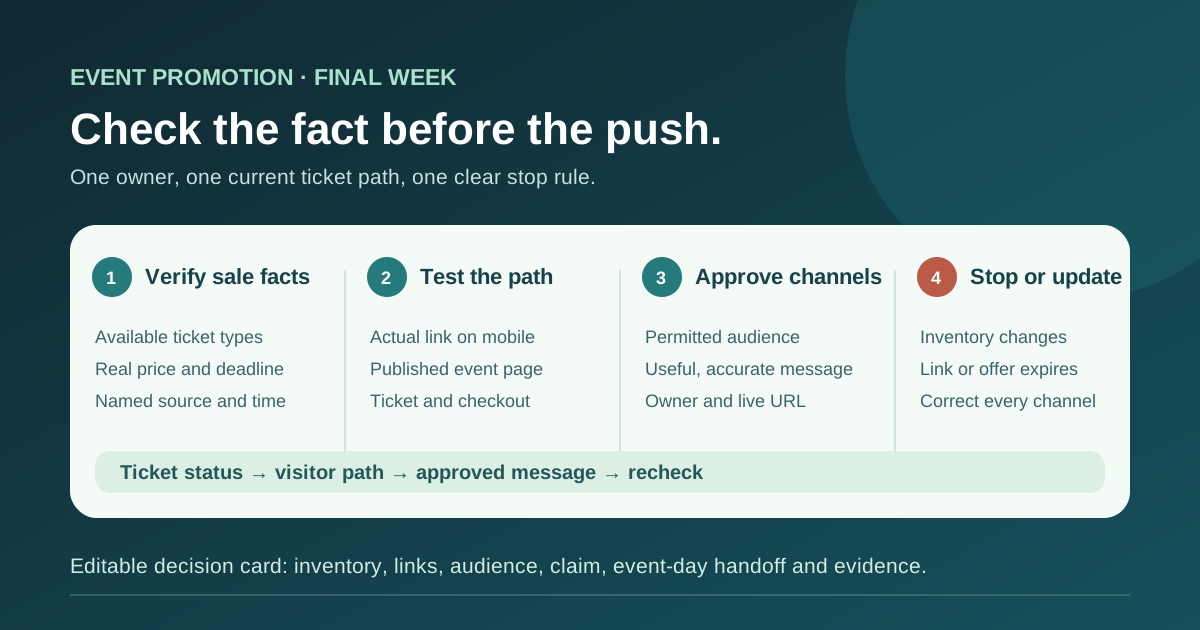
Download the final-week decision card
Download the final-week ticket promotion card (Markdown)
Copy the card for one event edition and set the event time zone. It separates facts that must be verified from optional campaign ideas: inventory and ticket status, the real online cutoff, the public event page, each message owner, channel, audience, approval, live link and next review. Example rows are prompts, not a schedule or a promise that any channel will sell tickets.
The card is intentionally smaller than a launch calendar. The launch calendar coordinates weeks of campaign work; this one governs a volatile final period when the same ticket claim may appear in email, ads, a performer story and a pinned post. Give one person authority to pause a claim across those places when a fact changes.
Start with the sale that is actually possible
Before choosing a promotion, ask the ticketing owner what can still be sold: which ticket types remain, which allocations are reserved, whether a waitlist is being released, whether online sales have a real closing time, and whether door sales are approved. Check the public purchase path rather than relying on a dashboard count alone. An unsold seat, a held allocation and a ticket currently available to a visitor are different things.
Write one versioned fact line: event edition, date, start time and time zone, venue and access page, ticket type and price, capacity decision owner, and next inventory check. If numbers are unstable, communicate availability without an exact count. Never invent 'almost sold out' or a deadline to make a message feel urgent; use the existing evidence log for any scarcity claim.
- Name the source owner for inventory and price, not just the person writing copy.
- Record the exact time and time zone of a real cutoff, plus who can change it.
- Mark claims Held when capacity, venue or price approval is unresolved.
Walk the visitor's path from message to confirmation
Open the exact link from each draft on a phone, including its campaign parameters. Confirm the public page shows the same event, edition, date, ticket state and price as the message. Continue through the purchase or registration flow using an approved test path and verify what the visitor sees at the hosted checkout boundary. If a real transaction is needed for a test, follow your team's normal controlled purchase and refund procedure; do not create an accidental order.
For a Boletolibre.com event page, inspect the published page and the ticket destination a visitor reaches. A preview can be correct while an old public link, cached social card or external checkout is wrong. If an ad points to a final URL, Google Ads defines that URL as the landing page after the click; test the configured destination and any tracking suffix rather than only the display text.[2]
- Test the message link and the page it opens on mobile.
- Check that tickets are available where the call to action says they are.
- Record a blocker, owner and retest before sending more traffic.
Choose audiences you can reach appropriately
Build a small channel list from actual reach and permission: current subscribers who agreed to promotion, a permitted waitlist, relevant community or partner audiences, and people already following the event. Existing ticket holders may need a practical reminder or a shareable event link, but a service message to attendees should not be disguised as a marketing blast. Do not assume an abandoned checkout address is available for promotional reuse; check the consent and provider rules that apply to it.
Give each audience one useful reason to open the message: the programme has been confirmed, a particular ticket type remains available, or the online sales cutoff is approaching. If the audience already bought, their question is often arrival or access, not whether to purchase again. Where a speaker or venue partner shares your post, supply approved copy and the exact destination, then ask for the published URL so you can correct it if facts change.
Use real decisions instead of manufactured pressure
A final-week offer is optional. Before changing price, record who can approve it, which tickets it covers, the actual start and end, the public terms, and what an earlier buyer will see. A bundle, group arrangement or door price may add complexity to fulfillment and check-in; make the operations owner sign off before announcing it. Base any discount, countdown or posting frequency on your event's actual conditions. The right decision may be to keep the price and clarify what the ticket includes.
If you use a genuine cutoff or remaining-inventory statement, make every published version agree with the source. Name the time zone. Decide how to remove or edit scheduled and pinned messages once the fact expires. A 'last chance' post that stays live after online sales close sends people to a dead end and may undermine trust. Keep a correction route for partner posts you cannot edit yourself.
Assign a channel, destination and recheck
Choose channels that can reach the intended audience before the event. Email may reach opted-in subscribers; social may answer visible questions; a partner may reach a local audience; a paid ad needs a functioning landing page and its own approval. A broad campaign, local group post or extra reminder is not automatically effective. Record the intended reader, the specific answer, a send owner, the final link and the stop time for each channel.
If your analytics setup uses campaign URLs, Google Analytics documents utm_source, utm_medium and utm_campaign to identify referred traffic. Use consistent names and verify the full URL. Those parameters identify visits, not completed sales by themselves; compare ticketing records only where attribution is actually available. Keep private attendee data out of shared links and creative files.[1]
Keep a distinction between a planned message and a published one. After sending, record its public URL or delivery evidence and the time checked. Pause future sends when the destination fails, the offer changes or the venue confirms a material update. Update the authoritative event page and direct attendee communications before another promotional push.
Handoff to event-day sales and service
Before the last online message, confirm whether online orders continue on event day, whether any door allocation exists, how it is paid for, where purchasers queue and who updates the public status. Door sales are a venue and ticketing decision, not a universal fallback. A sale announcement must not imply entry is guaranteed when capacity or admission rules say otherwise. Keep the ticket-sales point and the already-ticketed arrival route clear in the event plan.
If the event sells out, switch the campaign from purchase language to the confirmed sold-out or waitlist information. If the event is postponed or a venue detail changes, stop scheduled promotional messages and use the approved change-communication sequence. The same owner should check email, ads, social, partner posts and the event page; changing one surface does not fix the others.
Keep a record for the next event
After the event, capture the verified ticket count by sale period if your ticketing records support it, which messages were sent, what links failed, which claims needed correction and what support questions appeared. Compare this event with a similar edition before treating a late-sales pattern as a rule. Channel clicks, registrations, paid orders and actual attendance answer different questions.
The aim is a calmer next final week: a known owner for inventory, a tested purchase path, a truthful message, an approved channel and a stopping rule. If the data is too thin to judge a channel, record that uncertainty and improve the measurement plan rather than inventing a return on investment.
Sources and further reading
- URL builders: Collect campaign data with custom URLsGoogle Analytics Help · Accessed
- Final URL: DefinitionGoogle Ads Help · Accessed