Event marketplace discovery vs your own audience: a decision worksheet
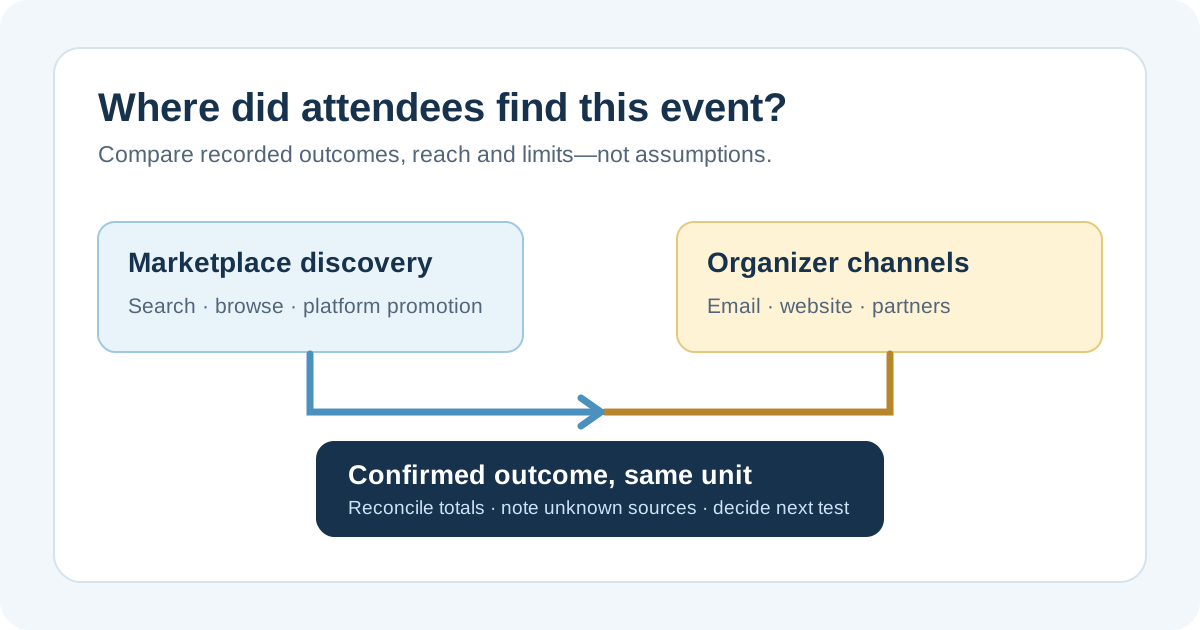
A ticket marketplace may expose an event to people who were not already following the organizer. An organizer’s website, email and partners may reach people who already know the event. The useful question is how much each route contributed to confirmed sales for this edition, with the same measurement unit and honest gaps. This worksheet separates discovery, reach, cost and permissions so a channel choice is based on evidence.
Boletolibre editorial team
Published
Download the channel decision worksheet
Download the editable marketplace and owned-audience worksheet
Make a copy for one event edition and one reporting period. Record the destination URL, reported visits or clicks, confirmed outcome, promotion spend, checkout fees, evidence and decision owner for each channel. Choose orders, people or tickets as the outcome unit and keep it consistent. Retain an unknown row rather than forcing every sale into a named source. The worksheet is a review aid, not proof that a channel caused an incremental purchase.
Separate marketplace discovery from your own referrals
A marketplace can show public events in its directory or app. Eventbrite, for example, says public events are listed in its search directory, and its traffic report distinguishes marketplace search or browse from some organizer-driven routes. That is provider-specific reporting, not a promise that every marketplace sale was a new buyer. Ask each provider which discovery paths it reports and whether your own shared links are separated from internal recommendations.[1][2]
Map the routes the organizer controls
List the organizer’s email, website, social posts and partner links with their actual destinations. If Boletolibre.com is your main public event page, enter its exact URL, then follow the attendee path to the final ticket or registration destination. Use distinct campaign links when the destination and analytics setup support them; Google Analytics documents how UTM source, medium and campaign parameters label referral traffic. A tagged page visit is still not a completed purchase.[3]
Use confirmed outcomes and record the blind spots
Reconcile all channel-assigned orders, people or tickets with the ticketing system’s confirmed total for the same dates and time zone. Keep refunds, group orders and duplicates under one documented rule. Record any hosted-checkout boundary where your site analytics cannot observe completion, and keep direct or unknown sales visible. Compare actual promotion spend and the full fee quote on the same basis; do not treat impressions or clicks as revenue. Check what buyer data and marketing permissions your platform actually gives the organizer before planning follow-up messages.
Choose the next test instead of declaring a universal winner
If marketplace search produced measurable confirmed sales, compare that contribution with its costs and any operational limits. If owned email or partners did better, inspect the audience size and campaign effort as well as ticket outcomes. A buyer might encounter both routes, so simple channel totals cannot prove incremental lift. Note one change for the next edition—such as a clearer organizer landing page or a controlled partner link—and name an owner and review date. Avoid ranking platforms by conversion claims without your own comparable evidence.
Sources and further reading
- Promote your eventEventbrite Help Center · Accessed
- Access your Traffic and conversion reportEventbrite Help Center · Accessed
- URL builders: Collect campaign data with custom URLsGoogle Analytics Help · Accessed