Event sponsorship proposal template and example
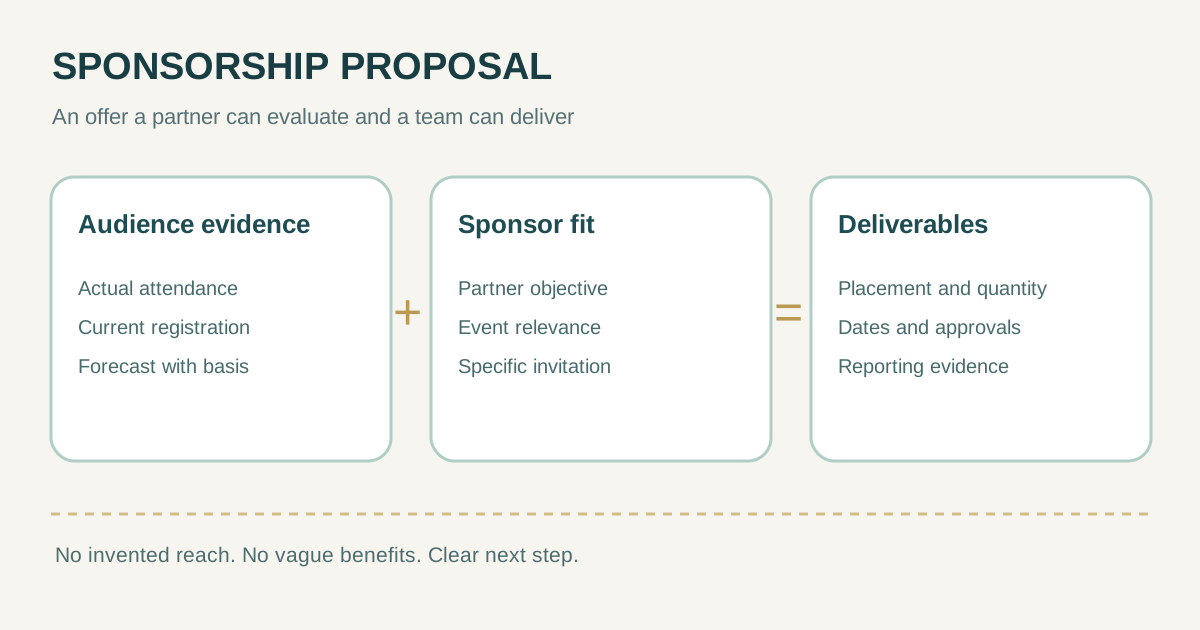
A sponsor proposal should make a specific offer to a specific organization. This free Word template gives you editable prompts for the event, sponsor fit, audience evidence, deliverables, contribution, approvals and follow-up. It contains no invented attendance or return-on-investment figures. Replace every bracketed field with verified facts and agree final terms separately before treating a proposal as a commitment.
Boletolibre editorial team
Published
Download the editable proposal
Download the sponsorship proposal template (.docx)
The two-page Word file is a working draft with fields to replace, not a finished offer to send unchanged. It includes an event summary, sponsor-specific invitation, audience evidence table, deliverables, timing, investment, conditions and a reporting plan. Save a copy for each sponsor so their goals and terms do not become mixed across proposals.
If your event has no past attendance, say so and give a clearly marked forecast range with its basis. Leave a field blank while gathering evidence instead of filling it with an attractive guess.
Lead with the sponsor’s reason to care
Before writing the opening letter, identify the sponsor’s relevant product, community commitment or campaign and why this event’s audience or activity fits. State the event name, date, venue or online format and the specific invitation in a few sentences. Avoid a mass-sent paragraph that only swaps a company name.
The first organic template found for this keyword presents a customizable cover, invitation, organizer information and a distinct offer. Our document uses that broad proposal intent while asking for verifiable inputs rather than prewritten persuasion claims.[1]
- One event outcome: what participants will experience or learn.
- One sponsor objective you can reasonably support.
- One concrete proposed activation or visibility opportunity.
- One contact and decision date.
Describe the audience without inflating it
Potential sponsors need to know who may encounter their brand. Separate last event’s actual attendance from this event’s registrations and forecast. Date each figure and name its source: check-in records, a registration export, a survey or documented capacity assumptions. A forecast is not an achieved audience.
Do not promise leads or share attendee contact information merely because a sponsor is paying. Explain exactly what measurement you can provide, such as a published placement URL, campaign send count or attendance count, and get the appropriate permissions before offering personal data.
| Claim | Acceptable basis | Label |
|---|---|---|
| Past attendees | Check-in report from a named event | Actual, with date |
| Current interest | Registration export as of a date | Registered, not attended |
| Expected reach | Capacity and conversion assumptions | Forecast range |
Make every sponsor benefit measurable
List each placement or activation with its format, quantity, timing, owner and approval step. “Logo on event page by 1 May” is reviewable; “great exposure” is not. For a speaking slot, specify duration and editorial boundaries. For a booth, specify location, size, power, staffing and setup window. For a post-event report, name metrics and delivery date.
Keep rights you control separate from third-party channels or venues that require approval. If you offer category exclusivity, define category, territory, term and any existing conflicts. Cvent’s proposal outline emphasizes sponsor levels, representation and deadlines; adapt these to the actual event rather than copying a generic tier grid.[2]
- Website: page, logo treatment, link and publication window.
- Onsite or virtual: placement, access, staff and setup.
- Communications: named channel, number of sends or posts, approval deadline.
- Reporting: evidence supplied after the event and when it will arrive.
State contribution, dependencies and next step
Show the requested amount and currency, or describe an in-kind contribution precisely. State what is included, any optional extras, payment schedule and who supplies creative assets. Keep taxes, cancellation, data use and exclusivity as terms to review with the right people; do not assume a generic online template fits local law or your contracts.
A proposal is an invitation to negotiate. Record the sponsor’s requested changes and obtain written agreement on final deliverables, rights and dates. Do not imply a sponsor has accepted merely because a draft was sent.
Run a final sponsor-specific review
- Replace every bracketed prompt, including contact details and dates.
- Check each number against its cited source and label actual, registered or forecast.
- Confirm every offered placement is available and its owner agrees to deliver it.
- Check logo and image permissions, category conflicts, and whether venue approval is needed.
- Have a colleague read the proposal as the sponsor: is the ask, benefit and next step clear?
After the sponsor responds, update the proposal and the delivery schedule together. Once the event is over, send the agreed evidence instead of a generic thank-you report. Keep the final signed terms and a copy of what was actually delivered.
Sources and further reading
- Proposify sponsorship proposal templateProposify · Accessed
- Cvent event sponsorship proposal outlineCvent · Accessed